Top 10 Energy Industry Trends Reshaping Asia-Pacific in 2026
Discover the key energy industry trends for 2026—including green hydrogen, AI, grid investment, and cybersecurity—and their strategic implications for Asia-Pacific economies, businesses, and investors.
David Kim
August 1, 2026
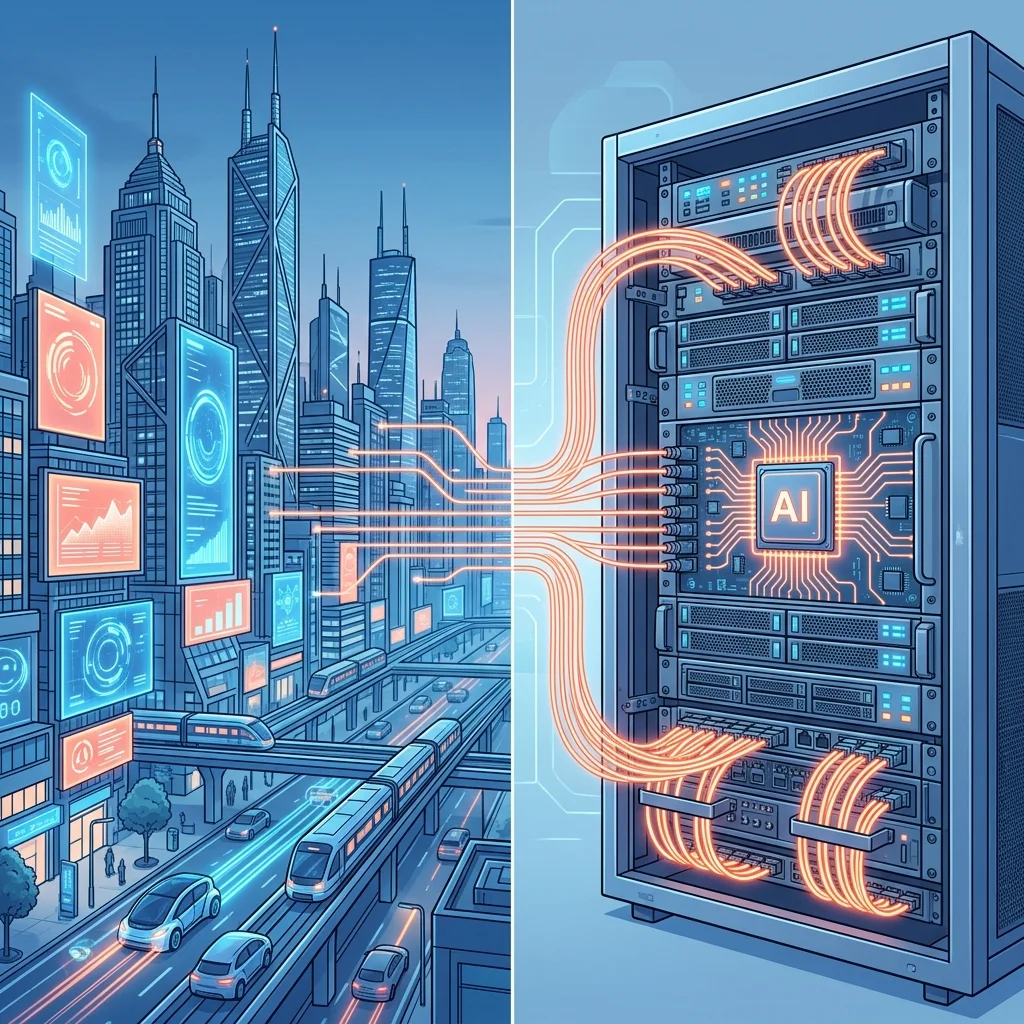
Discover the key energy industry trends for 2026—including green hydrogen, AI, grid investment, and cybersecurity—and their strategic implications for Asia-Pacific economies, businesses, and investors.
Executive Summary
The global energy industry is undergoing a profound transformation, and Asia-Pacific is central to this shift. Soaring electricity demand—driven by electrification, AI, and data centers—requires unprecedented investment in grid infrastructure. The International Energy Agency projects data center consumption could exceed 2,000 TWh by 2035. To keep pace, global grid investment must reach USD 600 billion annually. Meanwhile, green hydrogen is scaling up, advanced energy storage is becoming a core grid asset, and digital technologies like AI and IoT are optimizing energy systems. This article outlines the top 10 energy trends for 2026 and their specific implications for Asia-Pacific economies, businesses, and investors.
Introduction
Asia-Pacific is the world's largest and fastest-growing energy market. The region's rapid industrialization, urban expansion, and digital transformation are reshaping energy demand and supply dynamics. At the same time, policymakers and corporations are accelerating the transition to cleaner, more resilient energy systems. Understanding the trends that will define 2026 is essential for business leaders, investors, and governments seeking to navigate this complex landscape. From green hydrogen to cyber-resilience, these trends offer both challenges and opportunities across the region.
Main Analysis
The energy industry innovation map for 2026 highlights ten critical trends: grid resilience, microgrids, green hydrogen, advanced energy storage, AI integration, cybersecurity, nuclear power, IoT, blockchain, and energy-as-a-service. Each trend is poised to influence how energy is produced, distributed, and consumed in Asia-Pacific.
1. Green Hydrogen
Green hydrogen is rapidly emerging as a key pillar of industrial decarbonization. With the global green hydrogen market projected to reach USD 125.3 billion by 2035 at a CAGR of 49.5%, announced projects could deliver 49 million tonnes per annum by 2030—a fivefold increase from current levels. For Asia-Pacific, which hosts substantial renewable energy resources and heavy industries, green hydrogen offers a pathway to decarbonize sectors such as steel, chemicals, and shipping. Countries like Australia, Japan, South Korea, and China are investing heavily in hydrogen supply chains, positioning the region as a global production and export hub.
2. Grid Investment and Resilience
Modernizing electricity grids is a capital-intensive priority. Utilities worldwide are committing massive budgets, such as E.ON's EUR 48 billion for 2026–2030. For Asia-Pacific, where grid infrastructure is often aging or insufficient for growing demand, investment is critical. The region needs not only expanded transmission capacity but also smart grid technologies to integrate variable renewables. The USD 600 billion annual grid investment target underscores the scale of the challenge and the commercial opportunities for infrastructure developers, equipment makers, and technology providers.
3. Artificial Intelligence Integration
The AI market in energy is expected to grow from USD 22.94 billion in 2025 to USD 50.91 billion by 2029, a CAGR of 22.0%. AI-powered systems enable real-time monitoring, predictive maintenance, automated energy trading, and digital twins that optimize grid performance. In Asia-Pacific, AI adoption is accelerating in countries like China, Japan, and Singapore, where smart grid pilots and AI-driven energy management systems are becoming mainstream. For utilities and independent power producers, AI is not just a tool for efficiency but a strategic necessity to manage complexity and volatility.
4. Cybersecurity
The digitization of energy systems brings increased vulnerability to cyberattacks. In 2023, the energy sector accounted for 11% of all cyber incidents, and in 2024, 67% of operators experienced ransomware attacks. Geopolitical tensions are heightening these risks. Asia-Pacific energy firms are investing in zero-trust architectures, AI-driven threat detection, and blockchain-based security to protect critical infrastructure. The energy cybersecurity market is projected to grow at a CAGR of 10.5% from 2024 to 2032, creating significant opportunities for specialized security vendors.
5. Advanced Energy Storage
Battery storage is scaling rapidly, with annual additions surpassing 75 GW in 2024. This positions storage as a core grid asset that enhances reliability and enables higher renewable penetration. Asia-Pacific is a global leader in battery manufacturing and deployment, with China, South Korea, and Japan dominating supply chains. As costs decline, utility-scale storage projects are becoming economically viable across Southeast Asia and Oceania, supporting grid stability and reducing curtailment of solar and wind.
6. Microgrids
Microgrids offer localized energy resilience, particularly for remote areas, industrial parks, and critical facilities. They can operate independently or in conjunction with the main grid, reducing downtime risks. In Asia-Pacific, microgrids are gaining traction in island nations and rural areas where grid extension is costly. They also support the integration of distributed renewable generation and storage, aligning with regional sustainability goals.
7. Energy-as-a-Service (EaaS)
Energy-as-a-service models are transforming how companies procure and manage energy. Instead of upfront capital investment, customers pay for outcomes—such as energy supply, efficiency, or storage—on a subscription basis. This trend is particularly appealing to commercial and industrial users in Asia-Pacific, where energy costs are a significant operational burden. EaaS providers offer turnkey solutions that reduce risk and accelerate the adoption of clean technologies.
8. Nuclear Power
Nuclear energy is regaining strategic relevance as a low-carbon baseload power source. Global nuclear generation is expected to set record highs, with new designs like small modular reactors (SMRs) offering flexibility and safety advantages. In Asia-Pacific, countries such as China, India, and Japan are expanding or restarting nuclear programs. Nuclear power can complement renewables by providing stable, dispatchable electricity, though public acceptance and waste management remain challenges.
9. Internet of Things (IoT)
IoT sensors and connected devices are enabling real-time energy monitoring and asset management across the value chain. From smart meters to predictive maintenance of turbines and transformers, IoT improves operational efficiency and reduces costs. In Asia-Pacific, smart city projects and industrial IoT deployments are driving demand for connected energy solutions. Data from IoT devices also feeds AI and analytics platforms, creating a virtuous cycle of optimization.
10. Blockchain
Blockchain technology enhances transparency, security, and efficiency in energy transactions, particularly for peer-to-peer trading, renewable energy certificates, and carbon credits. Although still nascent, blockchain has the potential to streamline cross-border energy trade and enable decentralized energy markets. Asia-Pacific's technology hubs—such as Singapore, Tokyo, and Shenzhen—are exploring blockchain applications in energy, positioning the region as an innovation leader.
Regional Impact
The trends outlined above are not merely global phenomena; they have profound implications for Asia-Pacific.
- Economic Growth: Investment in grid infrastructure, renewable energy, and digital technologies will stimulate job creation and industrial development across the region. The USD 600 billion annual grid investment target alone represents a significant market for regional contractors and equipment suppliers.
- Business Competitiveness: Companies that adopt AI, IoT, and energy-as-a-service can lower operating costs and enhance resilience, gaining a competitive edge in a carbon-constrained world.
- Industrial Development: Green hydrogen and advanced storage create new industrial value chains—from electrolyzer manufacturing to battery production—where Asia-Pacific is already a global manufacturing hub.
- Trade Integration: Cross-border energy trade, including hydrogen and electricity, will deepen regional interdependence. Agreements like the RCEP and APEC frameworks can facilitate such integration.
- Foreign Investment: The scale of required capital opens opportunities for private equity, pension funds, and sovereign wealth funds to invest in energy infrastructure and technology ventures across Asia-Pacific.
- Policy and Regulation: Governments in the region are aligning national policies with global climate goals, introducing incentives for storage, grid modernization, and cybersecurity standards. This creates a more predictable investment environment.
Strategic Insights
For business executives and investors, these trends translate into actionable strategies:
- Green Hydrogen: Invest in early-stage projects and supply chain partnerships, particularly in countries with abundant renewables like Australia and Chile, to capture value as the market scales.
- Grid Modernization: Engage in public-private partnerships to build smart grids and energy storage systems. The substantial investment gap represents a long-term revenue stream.
- AI and Cybersecurity: Develop or acquire capabilities in AI-driven energy management and cybersecurity to protect assets and offer value-added services to utilities.
- Microgrids and EaaS: Target commercial and industrial customers in emerging markets where grid reliability is a concern. EaaS models lower entry barriers for clients.
- Nuclear Power: Monitor SMR developments and regulatory changes. While capital-intensive, nuclear provides stable returns and complements renewable investments.
Future Outlook
Over the next 3–5 years, the pace of change will accelerate.
- AI and Digital Transformation: AI will become embedded in every aspect of energy, from grid dispatch to customer engagement. Energy companies that do not embrace AI risk falling behind.
- Green Hydrogen: By 2030, Asia-Pacific could become the world's largest green hydrogen production and consumption region, driven by policy support and declining electrolyzer costs.
- Storage at Scale: Battery storage prices will continue to fall, enabling multi-hour and long-duration storage applications. This will transform grid operations and renewable integration.
- Cybersecurity: As threats evolve, regulatory requirements will tighten, making robust cybersecurity a license to operate. Demand for specialized talent and solutions will soar.
- Supply Chain Evolution: Regional supply chains for clean energy technologies will strengthen, reducing dependence on imports and enhancing resilience.
- Regional Cooperation: Cross-border electricity grids, such as the ASEAN Power Grid, and hydrogen trade partnerships will deepen, fostering economic integration and energy security.
Conclusion
The energy trends of 2026 are reshaping the Asia-Pacific economic landscape. From grid investment to green hydrogen, from AI to cybersecurity, these developments offer both challenges and significant opportunities. For policymakers, the message is clear: proactive investment in infrastructure and innovation is essential to secure sustainable growth. For businesses and investors, understanding and adapting to these trends will be a decisive factor in long-term success. Asia-Pacific is not just adapting to the global energy transition—it is leading it.